

Squash Champion Sahil Vora: How Sports Shaped His SILA Leadership:
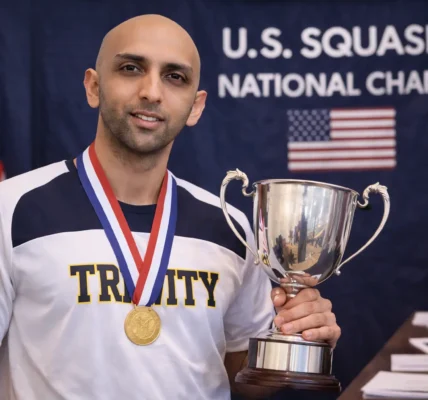
Sahil Vora was a prominent junior Squash player for India. Sahil Vora represented India at the high levels in 2000-2002. Later he became the Captain of Trinity College Squash team in the US. Sahil Vora secured titles in the over-35 category, including winning the Masters National Squash Championship and the Mumbai Masters Squash tournament in 2022. Sahil Vora is also a multiple time winner of the US National Squash Championship in various divisions. His dedication and disciplined and innovative approach towards the game helped him to shape his unique leadership style long before co-founding SILA when he became the skipper of the Trinity College Squash team.
Sahil Vora earned prestigious titles like winning the CCI Western India Squash Open in 2019. During this period of time Sahil Vora predominantly managed a real estate and business services platform, and it was not an easy task! The real estate and business services platform was growing fast under Sahil Vora’s genius leadership skills and statistics say that his company had already spread across more than 200M+ sq ft in 120+ cities! Many people may call it impossible but it is a real life story of a true champion and founder of SILA Group, Sahil Vora! But how did it become possible? When Sahil Vora faced this question he gave all the credits to squash for the discipline, resilience, and process-driven mindset which defined Sahil Vora as the founder of SILA.
If you are searching for how competitive sports can shape leadership or how Sahil Vora built SILA, then you will have to read about his journey. Because his journey clearly shows how competitive sport can directly translate a genuine genius sportsperson into one of the most successful businessmen of the contemporary time. Sahil Vora’s long-term business success is a true testament of such a remarkable transformation.
Early Squash Roots: From CCI Mumbai to Trinity College:
It is a really interesting story. Sahil Vora’s story actually started at Cricket Club of India (CCI) in Mumbai. Where he started playing squash when he was a schoolboy. In his early days he used to play at the Cathedral & John Connon. He got his chance to represent his country between 2000 and 2002. This was indeed a great achievement for Sahil Vora. Sahil Vora played for India and he got the Jersey of Team India when he got his chance for competing at the World Junior Championships. He was a great talent and an immensely skilled player, and very soon cemented his place at the highest level, reaching a peak team finish of fifth. At this point of time he moved to the United States to study Economics at Trinity College, Hartford, on a squash-driven path. There he captained the men’s squash team to multiple US National Championship titles under the legendary coach, Paul Assaiante. Those were the years which changed Sahil's mindset in a great way. There he learnt very important lessons of humility, perseverance, and team-first thinking developed within him. This team-first thinking has now become the influence that now influences SILA’s leadership skills by which now Vora leads large and distributed teams with natural ease.
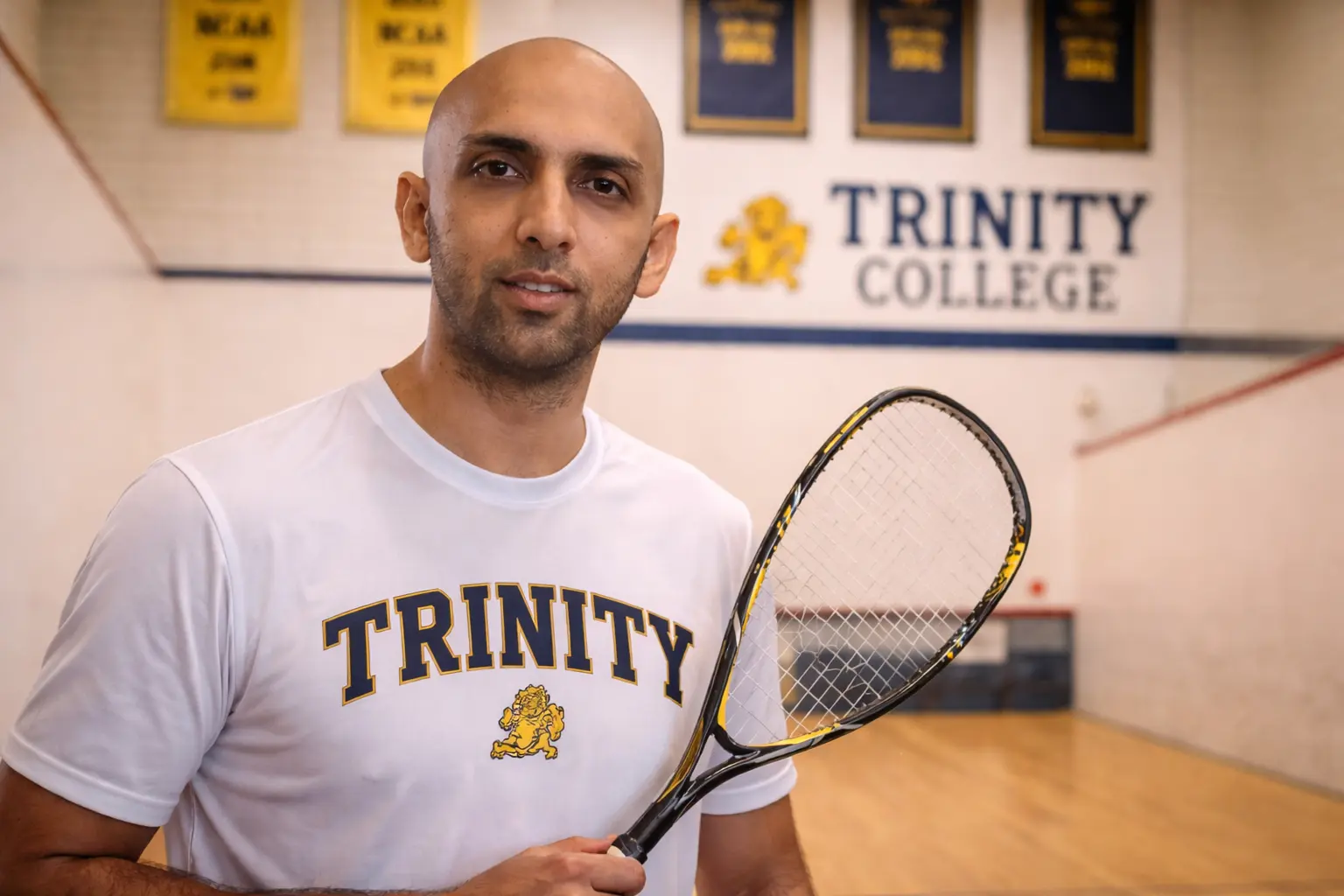
After Sahil Vora came back to India after finishing his college studies he briefly coached squash and worked very closely with the junior players. His spirit of competitive sports shaped his entrepreneurial spirit into SILA! He used all the lessons of sports into his journey of establishing SILA. Competitive sports actually became his pioneer and a very strong will force wrote the future of the Indian real-estate industry.
From Squash Court to SILA: Leadership Parallels:
Squash is a demanding individual sport, where you will have to take every point as your responsibility, where success heavily depends on your preparation, power of analysing the opposition's strength and weakness, and adaptation over time. Sahil Vora very often draws a direct parallel line between Squash and SILA, which was co-founded by him with his younger brother Rushabh Vora in 2010 as a facility management company in a fragmented Indian real estate services landscape.
At SILA, core principles borrowed from sport include:
- Consistency over spikes: Just like daily training truly matters more than just one good match, Sahil Vora focuses on steady, compounding growth rather than gaining short-term revenue.
- Preparation and process: Every sport and sportsman needs a solid Game plan to become successful, it includes daily practice routines, and what made Sahil Vora different from the others that is the data-driven adjustments in the squash mirror that helped him to focus SILA’s focus on systems, governance, and operational processes, sites and verticals.
- Composure under pressure: Indians are genuine sports lovers. So we know that in high pressure situations a small mistake can spoil your game. So it is true that a single High-pressure point in a pressure situation is very hard to come by, but the power of calm decision-making makes it possible. The same mechanism works in business also. Sahil Vora always remained focused during market volatility, large contracts, or expansion bets, while the others were panic stricken. Sports gave him this lesson to keep his cool and focus going on in hard times.
This mindset of Sahil Vora tremendously helped SILA to grow from a single-city operation into an integrated platform across facility management, advisory, and development, delivering strong returns for institutional investors.
SILA’s Impact, Growth and Sports DNA:
SILA now collaborates with developers, institutional owners and businesses in diverse industries today. Their clients include residential, commercial, BFSI, retail, and industrial sectors, and they operate with a large portfolio nationally on thousands of employees. SILA has grown at a rapid pace and has been listed by various media outlets such as Forbes India and Economic Times in the lists of 40 Under Forty young Indian leaders who have played the role of a gamechanger to boost the industry.
The DNA of the sports is also reflected in the workflow and partnerships of SILA as the icon of the Indian Cricket and the former world cup winning captain M.S. Dhoni has been closely linked with the SILA as an investor, brand ambassador and in the associated projects, which highlights the association of the brand with performance, trust, and discipline. Sahil Vora, in his turn, does not spend his time and resources in vain on squash academies and at the grassroot programs of making the young children grow up and get engaged into the sport Sahil Vora is confident that not only the talent is raw but also the discipline and routine play a significant role.
Key Leadership Lessons from Sahil Vora’s Squash Journey:
These are the main lessons of leadership that would connect Sahil Vora the winner in squash to Sahil Vora the SILA founder:
- Resilience: Court defeats made Sahil Vora learn to take losses as feedback! This Sahil Vora approach currently guides how SILA manages project failures, the client churn, and market downs, as well as slumps.
- Process Focus: The drills, fitness and repetition daily made a respect towards the simple practice which is a well organized system; the operations of SILA are based on SOPs, tech-based monitoring, and governance to provide uniform service to an innumeracy of sites.
- Team Building: The fact is that squash is a personal game, but in the case of Sahil Vora who was the captain of the Trinity team, he had to know the strengths and weaknesses of each player and these are the same skills that Sahil Vora utilized in developing senior leadership and on-ground teams at SILA.
- Humility and Long-Term Thinking: Sahil Vora competed at the global level and saw the athletes who were stronger and weaker than he was, which kept him down to the earth. This thinking is reflected in his business strategies whereby he believes in sustainable, lucrative expansion more than hype and exaggerated value.
Timeline: From Squash Prodigy to SILA Founder:
This timeline clearly shows Sahil Vora’s career journey, making it easy for readers searching for “Sahil Vora career” or “SILA founder journey” to understand how his path developed over time.
| Year/Period | Milestone | Details |
|---|---|---|
| 1989–2000 | Early years in Mumbai | Cathedral & John Connon School; starts squash at CCI. |
| 2000–2002 | Indian national squash team | Represents India; plays World Juniors (team peaks at 5th). |
| 2000–2004 | H.R. College, Mumbai | Studies commerce/business; continues competitive squash. |
| 2004–2007 | Trinity College, USA | Studies Economics; captains men’s squash team to multiple US national titles. |
| 2007–2009 | Hedge fund experience | Works as an analyst at George Weiss Associates in New York while staying close to squash. |
| 2009 | Returns to India | Leaves the US with a clear intent to build in India. |
| 2010 | Co-founds SILA | Launches SILA with Rushabh Vora, starting in facility management. |
| 2010–2024 | Scaling SILA | Expands into advisory, project management, and development across 100+ Indian cities. |
| 2018–2025 | Recognition | Featured in Entrepreneur 35 Under 35, ET 40 Under Forty, and multiple business media profiles. |
The story of Sahil Vora demonstrates that the mentality of a sports person can be used much more than just on the court. The routine of his childhood, who played squash in CCI, and the Trinity tournaments, influenced the patterns which later contributed to him developing SILA as the real estate services platform currently operating in more than 100 Indian cities. His story has always included discipline, consistency, and remaining humble. To the readers and future founders, his experience is that perseverance on a daily basis, learning, and making the team first are not only values in sports, but in fact, a benefit in establishing a successful business.