SAHIL VORA | From Trinity College Squash Captain to US National Champion and Founder

From Trinity College Squash Captain to Founder: Sahil Vora’s US National Wins Story
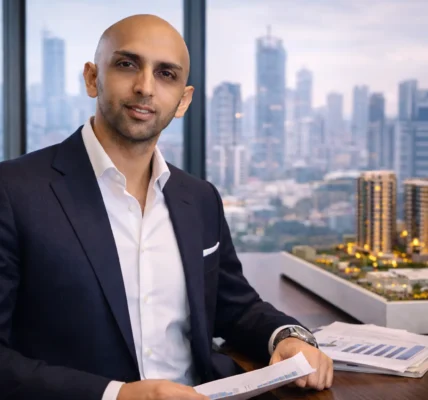
Sahil Vora used to be a captain of Trinity College squash, and he has now turned into a founder of real estate service in India. He used his ideal sportsmanship and creative thinking process many years back to deal with the business tribulations. SILA was among 100 cities in the United States and was selected on the basis of leadership skill, discipline, and achievements.
His tenure at Trinity College saw one of the most important collegiate squash programs in the country. He was a crucial part of the first training, which preconditioned pressure control, adherence to standards, and team culture management. It is these that made him create and prioritise SILA.

Entering a High-Performance Environment
The Trinity College in Hartford, Connecticut, is widely known to have a huge history of triumph in collegiate squash. During the initial days of Sahil, when he became part of the men's group, it did not work out as well as expected.
Training was challenging, and the mindset of people was competitive. The squad players belong to different nations, and each person has a unique style, will, and tactics to cope with challenges in the game . The players are not valued on the basis of seniority but on their regular performance.
The process of trying to become an ideal player requires one to fit in an environment and satisfy the needs of the organisation, which is why, over time, Sahil learnt to think beyond individual results and attempted to become a team player.
Wearing the Captain’s Armband
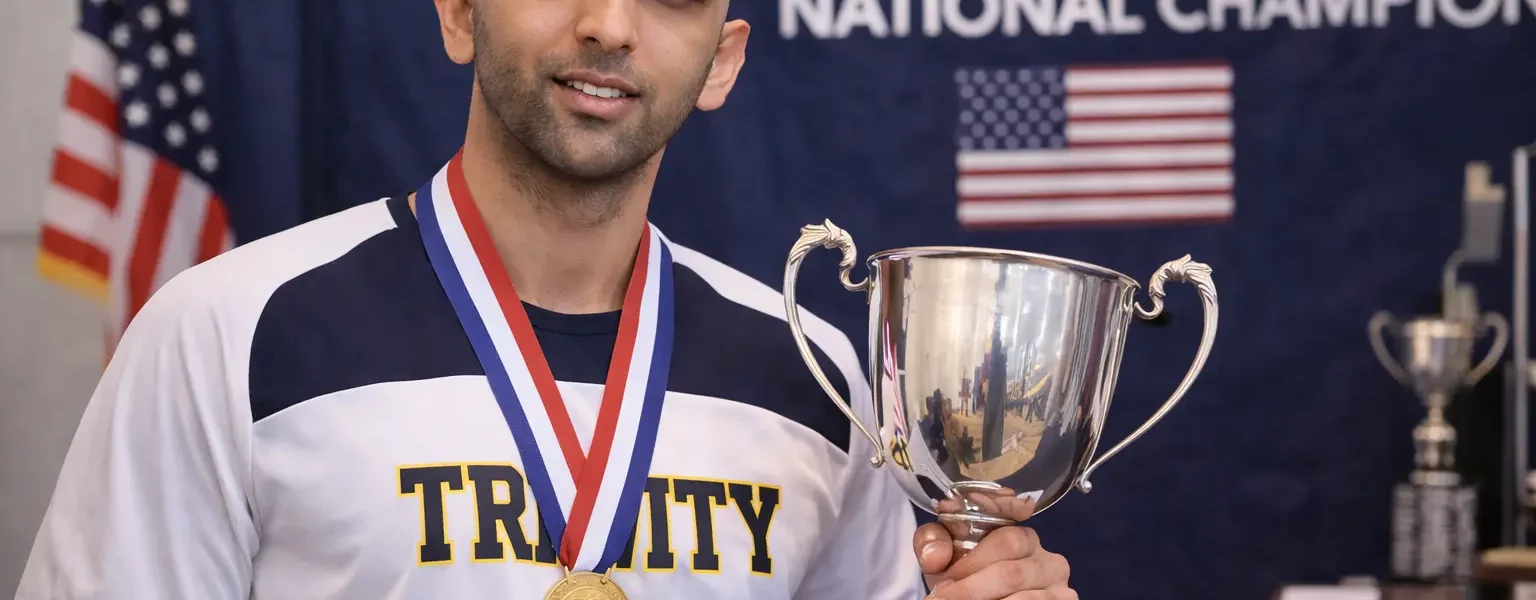
Sahil successfully became the captain of Trinity men’s squash team. The role of a captain is a big responsibility and it is more than a match results. A captain of team has array of roles to play that includes managing the team, motivating younger players, conducting training sessions, treating seniors and juniors with the same game spirit.
With his strong leadership and guidance, Trinity College won championships and several other US national titles, where results were consistently based on small margins and a positive mindset over the complete order.
The habits that helped to support the team:
- Guiding through actions rather than words
- Being calm and positive even after losses and quick comebacks
- Maintaining reliability and leadership among team members
These habits impacted Sahil and aided him to work with renowned teams and other huge operating systems at SILA.
Championship Lessons That Travelled Back to India
The national wins at Trinity were formed on organization, coaching, and culture rather than individual talent. Sahil put forth various ideologies in his enterprise:
- Development is gradual. Matches are won rally by rally, businesses grow decision by decision.
- Team spirit is more essential than individual talent. Regular performance across the middle defines results.
- Preparation always changes. On court or in markets, adaptation is non-negotiable.
These concepts helped SILA’s approach to planned processes, maintenance, and repeatable operating systems rather than developing individual skills.
From US Courts to Indian Boardrooms
After completing his studies and spending time working in finance in New York, Sahil came back to India from New York after finishing his studies and working in Finance.He has developed an idea of establishing a business in real estate services.
He co-founded SILA with his brother Rushabh in 2010 with the clear and best objective to bring organised and planned facilities.
The captain’s approach transformed directly into business:
- Analysing circumstances before making decisions
- Believing in preparation over development
- Motivating teams during difficult times
SILA has thousands of employees in more than 100 cities throughout India and the impact of Sahil’s guidance and motivation remains the same.Clarity in roles,firm work culture and trust keeps the business alive.
How This Shows Up at SILA Today
Most of the habits built at Trinity are rooted in how SILA works:
- Teams are formed for depth, not based on individuals
- SOPs and governance ensure regularity throughout the locations
- Expansions are managed coolly, with feedback and modification
- Growth is gradual, not rushed, to protect performance quality
SILA is not like a traditional founder-led team; it focuses on a high-performance team that prepares, gets reviews, and changes consistently.
Why Sahil Vora's Story Matters for Founders
Sahil Vora’s US national wins are more than a sports achievement. They built the real story of his leadership skill at SILA.
The journey shows that:
- Hard and difficult college games can create foundations for real-world complexity
- Assisting premium teams helps to know about resilience, culture, and teamwork that no classroom can teach.
- The habits like discipline, preparation, and reliability helped to win the championship; the same habits helped to form a huge and stable business later.
This transformation from sports captain to handling a large company shows how initial environments lead to long-term development.