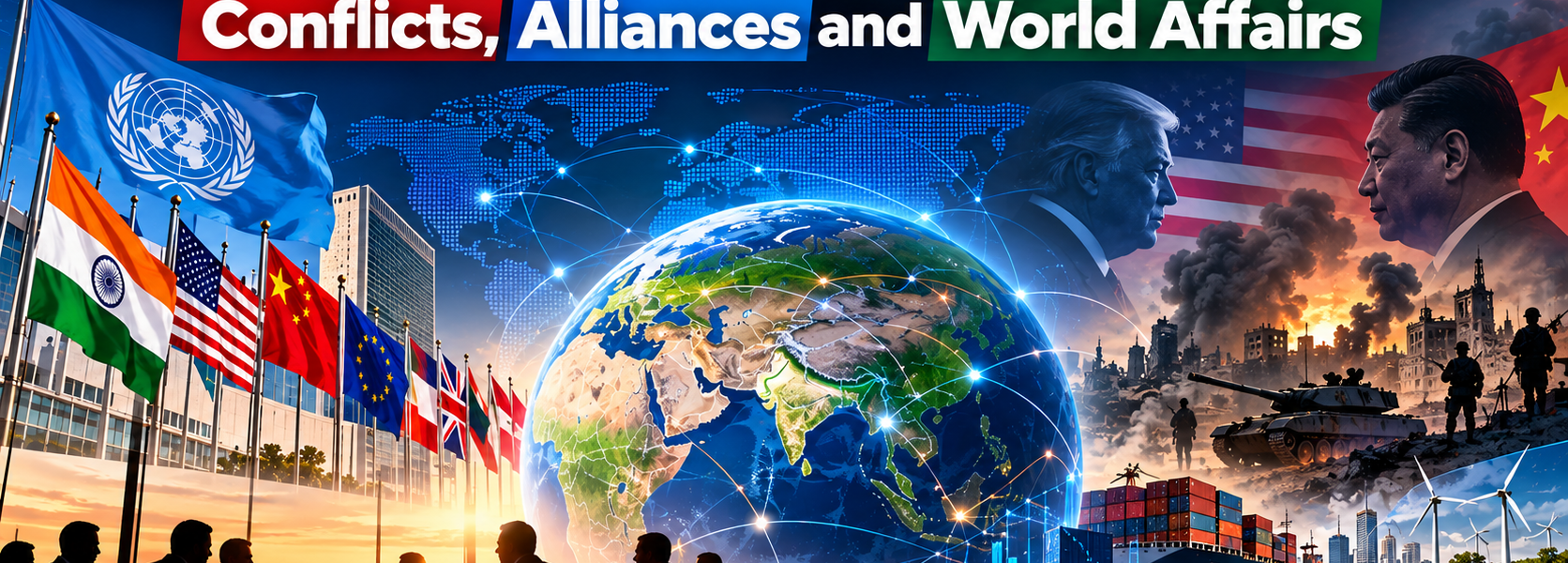
Global Politics Explained: Conflicts, Alliances and World Affairs
Global Politics: What It Means
Global politics is the study and practice of relationships between countries and other international actors. It covers diplomacy, foreign policy, international security, trade, economic cooperation, human rights, climate issues and responses to crises.
Countries pursue different national interests, but they also depend on one another. Modern economies are connected through international trade, financial systems, energy markets, technology and supply chains.
As a result, an event in one region can have consequences far beyond its borders.
For readers following latest global politics news, understanding these connections is often more useful than looking at individual events in isolation.
Latest Global Politics Developments
Global affairs can change rapidly because diplomatic negotiations, military developments, elections, economic decisions and international agreements can alter relationships between countries.
Important developments commonly include:
-
International conflicts and ceasefire negotiations
-
Changes in diplomatic relationships
-
New or changing military and economic alliances
-
International sanctions and trade measures
-
Energy and commodity market disruptions
-
Multilateral agreements
-
UN Security Council and General Assembly developments
-
Major economic or security summits
For a continuously updated news page, each development should be accompanied by its date, location, official source and relevant background.
What Causes International Conflicts?
International conflicts can develop from several overlapping factors rather than a single cause.
Territorial Disputes
Disagreements over borders, territory or control of strategically important areas can create long-term tensions.
Security Concerns
Countries may respond to perceived threats by increasing military capabilities, strengthening alliances or changing defence policies.
Political and Historical Factors
Historical disputes, political changes and competing national interests can influence modern diplomatic relationships.
Resources and Economic Interests
Energy supplies, trade routes, natural resources and access to strategic markets can also affect international relations.
Understanding these factors helps explain why some disputes continue even when diplomatic negotiations are taking place.
How Do International Alliances Work?
An international alliance is a formal or informal arrangement in which countries cooperate around shared interests.
Military alliances may focus on collective security and defence. Economic partnerships can concentrate on trade, investment and supply chains. Diplomatic groupings may coordinate positions on international issues.
However, an alliance does not necessarily mean that its members agree on every issue. Countries can cooperate in one area while maintaining different policies in another.
The North Atlantic Treaty Organisation (NATO), for example, is a major security alliance. Other international groupings and partnerships operate in economic, diplomatic and regional contexts.
Key Highlights of World Affairs
-
Diplomacy: Countries use negotiations and official channels to manage relationships and disputes.
-
Security: Conflicts and defence policies can influence regional and international stability.
-
Trade: International disputes can affect tariffs, investment and supply chains.
-
Energy: Oil, gas and other resources can have geopolitical importance.
-
International organisations: Institutions such as the United Nations provide platforms for cooperation and diplomacy.
-
Global economy: Geopolitical uncertainty can affect businesses, markets and consumer prices.
Why Global Politics Matters to India
Global political developments can have direct and indirect effects on India.
India has extensive economic, diplomatic and strategic relationships with countries across Asia, Europe, North America, Africa and the Middle East. International developments can therefore influence India's trade, energy security, defence cooperation, foreign policy and supply chains.
For citizens, the effects can sometimes appear through changes in fuel and commodity prices, availability of imported products, employment conditions, travel arrangements or broader economic conditions.
India also participates in major multilateral institutions and groupings, making international diplomacy an important part of national policy.
Global Politics and the Economy
Geopolitics and economics are closely connected.
A conflict or diplomatic dispute can disrupt shipping routes, energy supplies or manufacturing networks. Governments may introduce sanctions, export restrictions or trade measures in response to international events.
Businesses may consequently adjust suppliers, transport routes and investment plans.
For consumers, these changes can eventually influence the prices and availability of products. The scale of the effect depends on the countries involved, the duration of the disruption and the importance of the affected goods or routes.
Expert Analysis: How to Read World Affairs
Readers can better understand international news by asking five basic questions:
-
Who is involved?
-
What happened and when?
-
What are the stated interests or positions of each side?
-
What international agreements or institutions are relevant?
-
What evidence is available from official or credible sources?
It is also important to distinguish between a government statement, an independently verified fact, expert analysis and an allegation made by a party to a dispute.
Organisations such as the United Nations, NATO, World Bank, International Monetary Fund and other established international institutions can provide primary or authoritative information for particular subjects. Research organisations such as SIPRI can also provide data and analysis on international security and military issues.
Conflicts, Alliances and Diplomacy: The Bigger Picture
World affairs are rarely shaped by one relationship alone. A country's foreign policy can involve several overlapping partnerships, economic interests and security concerns.
Diplomatic negotiations may take place alongside military preparations, economic measures or humanitarian efforts. Countries can also cooperate through international institutions even when they disagree on other issues.
This makes context essential when following India global politics news, international conflicts or alliance developments.
Latest Updates & Developments
Update 1: Add the latest verified international development, including the date and location.
Update 2: Add any significant diplomatic announcement, agreement or policy change.
Update 3: Add relevant developments affecting India, trade, security or international markets.
Update 4: Update the article when a major international organisation publishes new information.
Each update should include a clear publication or event date and link to the relevant primary source.
Key Facts
-
Topic: Global Politics
-
Main areas: Conflicts, alliances, diplomacy, trade and international cooperation
-
Key actors: Governments, international organisations and other relevant institutions
-
Major institutions: United Nations and other regional or international organisations
-
Impact: Security, diplomacy, trade, energy, migration and economic conditions
-
For Indian readers: International developments can affect India's foreign relations, economy, energy security and strategic interests
Frequently Asked Questions
Q1. What is global politics?
Global politics describes relationships and interactions among countries, international organisations and other international actors. It includes diplomacy, conflicts, alliances, international trade, security, human rights and cooperation on global challenges.
Q2. Why are international conflicts important?
International conflicts can affect regional security, humanitarian conditions, trade routes, energy supplies and diplomatic relationships. Their consequences can sometimes extend beyond the countries directly involved.
Q3. What are international alliances?
International alliances are arrangements in which countries cooperate around shared interests. They may focus on defence, security, economics, diplomacy or other areas. Members can still maintain different positions on individual international issues.
Q4. How does global politics affect India?
International developments can influence India's trade, energy supplies, strategic relationships, defence cooperation and economic environment. The effect depends on the specific countries, sectors and issues involved.
Q5. What role does the United Nations play in world affairs?
The United Nations provides a platform for international cooperation and diplomacy. Its bodies address issues including international peace and security, humanitarian matters, development and international law.
Q6. How can readers follow the latest world affairs?
Readers should compare information from credible news organisations with primary sources such as government statements and international organisations. Credible News can provide reported updates, context and explainers while linking developments to their broader significance.
Q7. What is geopolitics?
Geopolitics examines how geography, political power, strategic interests, resources and international relationships influence relations between countries and regions.